 Yenzo
What is E951 (aspartame)?
Aspartame is a sweetener authorised as a food additive in the EU. According to EFSA, in the gastrointestinal tract it is rapidly and completely hydrolysed to phenylalanine, aspartic acid and methanol.
E951 is aspartame, an intense sweetener many times sweeter than sugar. In food it replaces sugar in sugar-free drinks, chewing gum and low-calorie products.
about 2.6 g a daythat is 2,600 mg
Wheat flour, vegetable oil, salt, sugar, sweetener (951), dried onion and garlic, pepper, natural colour (160a).
Aspartame is a sweetener authorised as a food additive in the EU. According to EFSA, in the gastrointestinal tract it is rapidly and completely hydrolysed to phenylalanine, aspartic acid and methanol.
In 2013 EFSA concluded that there was no reason to revise the ADI of 40 mg/kg body weight per day for aspartame and that current intakes were below it. EFSA also stated that this ADI does not apply to people with phenylketonuria (PKU).
Yes. Aspartame (INS 951) is listed in Appendix 1 of Circular 24/2019/TT-BYT, the list of additives permitted in food, as a flavour enhancer and sweetener.
EFSA (2013) considered the effect of phenylalanine, a breakdown product of aspartame, on fetuses: in normal people and PKU heterozygotes, aspartame intake up to the ADI of 40 mg/kg body weight per day, in addition to dietary phenylalanine, would not lead to peak plasma phenylalanine above the clinical guideline for preventing adverse effects in fetuses. The ADI does not apply to people with phenylketonuria (PKU). This source has no separate statement for children.
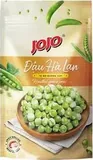 Đậu Hà Lan JOJO vị bò nướng cay (spicy grilled beef green peas)JoJo · snacks
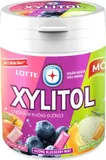 Kẹo gum Lotte Xylitol không đường hương trái cây hỗn hợp (sugar-free mixed fruit gum)Lotte · sweets and candy
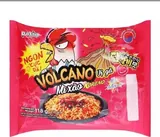 Mì Paldo Volcano vị gà (chicken ramen)Paldo · instant noodles
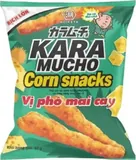 Snack bắp Kara Mucho vị phô mai cay (spicy cheese corn snack)Kara Mucho · snacks
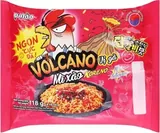 Mì xào Koreno Volcano vị gà (chicken stir-fried noodles)Paldo · instant noodles
Photograph the label — Yenzo tells you right away and rates the product.
Thank you! We have received it and will reply by e-mail if needed.