 Yenzo
What is E262 (sodium acetate)?
It is sodium acetate, the sodium salt of acetic acid (262i; 262ii is sodium diacetate). Circular 24/2019/TT-BYT lists E262 as acidity regulator, preservative and sequestrant.
E262 covers the sodium acetates, sodium salts of acetic acid: sodium acetate (262i) and sodium diacetate (262ii). In food they adjust acidity, help preservation and add a vinegar taste.
Wheat flour, vegetable oil, salt, sugar, acidity regulator (262), dried onion and garlic, pepper, natural colour (160a).
Sources: Codex CXG 36-1989, Class Names and the International Numbering System (INS)
It is sodium acetate, the sodium salt of acetic acid (262i; 262ii is sodium diacetate). Circular 24/2019/TT-BYT lists E262 as acidity regulator, preservative and sequestrant.
JECFA (the FAO/WHO expert committee) gave acetic acid and its potassium and sodium salts a group ADI of “not limited” in 1973 and kept it in 1997.
Yes. Sodium acetate (INS 262(i)) and sodium diacetate (INS 262(ii)) are listed in Appendix 1 of Circular 24/2019/TT-BYT, the list of additives permitted in food, as acidity regulators, preservatives and sequestrants.
In the EU, sodium acetates (E262) is permitted in processed cereal-based foods and baby foods (Annex II, Part E, category 13.1.3 of Regulation (EC) No 1333/2008), only for pH adjustment, at “quantum satis” — the amount needed for the purpose, with no numerical maximum. The Regulation has no separate provision for pregnant women. If you have a particular health condition, ask a doctor.
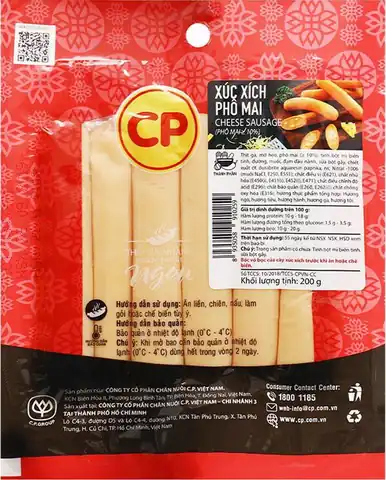 Xúc xích phô mai CP (cheese sausage)CP · sausages and processed meat
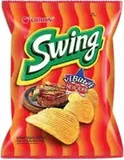 Snack khoai tây Swing vị bít tết (steak)Orion · snacks
Updated 21 October 2026
Photograph the label — Yenzo tells you right away and rates the product.
Thank you! We have received it and will reply by e-mail if needed.