 Yenzo
What is E260 (acetic acid)?
It is glacial acetic acid. Circular 24/2019/TT-BYT lists E260 as acidity regulator and preservative.
E260 is acetic acid, the acid that makes vinegar sour. In food it adjusts acidity and helps preservation; it is often used in sauces, pickles and ketchup.
Wheat flour, vegetable oil, salt, sugar, acidity regulator (260), dried onion and garlic, pepper, natural colour (160a).
It is glacial acetic acid. Circular 24/2019/TT-BYT lists E260 as acidity regulator and preservative.
JECFA (the FAO/WHO expert committee) gave acetic acid and its potassium and sodium salts a group ADI of “not limited” in 1973 and kept it in 1997.
Yes. Glacial acetic acid (INS 260) is listed in Appendix 1 of Circular 24/2019/TT-BYT, the list of additives permitted in food, as an acidity regulator and preservative.
In the EU, acetic acid (E260) is permitted in processed cereal-based foods and baby foods (Annex II, Part E, category 13.1.3 of Regulation (EC) No 1333/2008), only for pH adjustment, at “quantum satis” — the amount needed for the purpose, with no numerical maximum. The Regulation has no separate provision for pregnant women. If you have a particular health condition, ask a doctor.
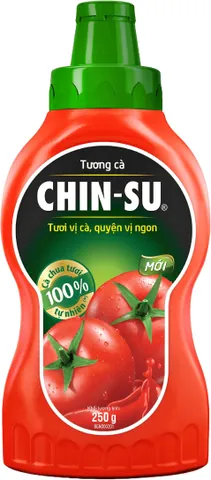 Tương cà Chin-Su (tomato ketchup)Chin-Su · sauces and dips
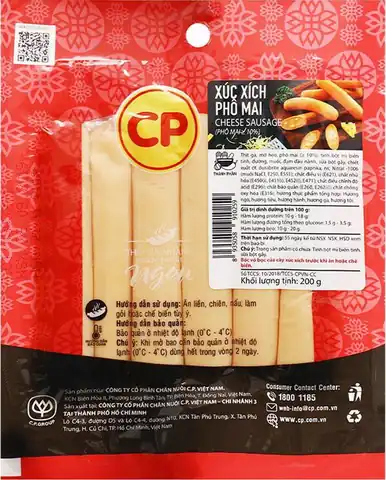 Xúc xích phô mai CP (cheese sausage)CP · sausages and processed meat
 Nước mắm nêm Mega Chef (seasoned fish sauce)Mega Chef · sauces and dips
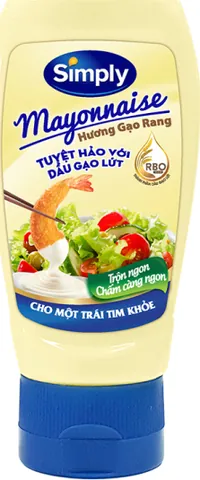 Sốt mayonnaise SimplySimply · sauces and dips
Updated 21 October 2026
Photograph the label — Yenzo tells you right away and rates the product.
Thank you! We have received it and will reply by e-mail if needed.