 Yenzo
What is E300 (ascorbic acid)?
It is ascorbic acid (L-), that is vitamin C. Circular 24/2019/TT-BYT lists E300 as an antioxidant, acidity regulator, flour treatment agent and sequestrant.
E300 is ascorbic acid (L-), that is vitamin C. In food it is mainly an antioxidant that helps keep colour and flavour; it also controls acidity and treats flour.
Wheat flour, vegetable oil, salt, sugar, antioxidant (300), dried onion and garlic, pepper, natural colour (160a).
It is ascorbic acid (L-), that is vitamin C. Circular 24/2019/TT-BYT lists E300 as an antioxidant, acidity regulator, flour treatment agent and sequestrant.
In 2015 EFSA re-evaluated ascorbic acid (E300), sodium ascorbate (E301) and calcium ascorbate (E302) and concluded that their use as food additives at the reported uses and use levels raises no safety concern, so no numerical ADI is needed.
Yes. Ascorbic acid, L- (INS 300) is listed in Appendix 1 of Circular 24/2019/TT-BYT, the list of additives permitted in food, as an antioxidant, acidity regulator, flour treatment agent and sequestrant.
Circular 24/2019/TT-BYT permits ascorbic acid in follow-on formula for children aged 6–36 months at a maximum of 50 mg/kg (ready-to-eat products only, only as an antioxidant, alone or combined with INS 300, 301, 302 and 304), and in complementary foods for children up to 36 months at a maximum of 500 mg/kg (only as an antioxidant). The text does not mention pregnant women separately.
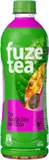 Trà Fuze Tea chanh dây hạt chia (passion fruit & chia seed)Fuze Tea · coffee and tea drinks
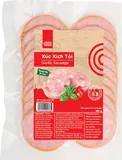 Xúc xích tỏi GO! (garlic sausage)GO! · sausages and processed meat
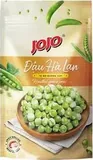 Đậu Hà Lan JOJO vị bò nướng cay (spicy grilled beef green peas)JoJo · snacks
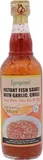 Nước mắm pha sẵn Longdan tỏi ớt (instant fish sauce with garlic & chilli)Longdan · sauces and dips
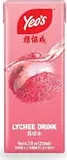 Nước vải Yeo's (lychee drink)Yeo's · soft drinks and flavoured drinksThịt xông khói hỗn hợp GO! (mixed smoked bacon)GO! · sausages and processed meat
Updated 21 October 2026
Photograph the label — Yenzo tells you right away and rates the product.
Thank you! We have received it and will reply by e-mail if needed.