 Yenzo
What is E129 (allura red AC)?
It is allura red AC, a synthetic red azo colour. It is added to food to give a red colour.
E129 is Allura Red AC, a synthetic red azo colour. In food it gives a red colour to soft drinks, sweets, jellies, cakes and snacks.
Did you know? Allura red AC has also been assessed by EFSA as a feed additive: in 2015 EFSA calculated the highest safe level in complete feed as 370 mg/kg for dogs and 308 mg/kg for cats.
In the EU, a food with this colour must carry the label warning “may have an adverse effect on activity and attention in children” (Regulation (EC) 1333/2008, Annex V); EFSA keeps its ADI.
about 0.5 g a daythat is 455 mg
Wheat flour, vegetable oil, salt, sugar, colour (129), dried onion and garlic, pepper, natural colour (160a).
It is allura red AC, a synthetic red azo colour. It is added to food to give a red colour.
In 2015, in a refined exposure assessment, EFSA restated the ADI of 7 mg/kg body weight per day and concluded that with the new data no estimate in any population exceeded it.
Yes. Allura red AC (INS 129) is listed in Appendix 1 of Circular 24/2019/TT-BYT, the list of additives permitted in food, with the function colour.
In the EU, foods containing E129 must show the name or E number of the colour on the label with a separate warning about children (quoted below), with some exceptions such as drinks with more than 1.2% alcohol by volume. In the EU, additives may not be used in foods for infants and young children unless Annex II of Regulation (EC) No 1333/2008 provides for it; Annex II has no entry for E129 in that food category. The Regulation has no separate provision for pregnant women. If you have a particular health condition, ask a doctor.
“may have an adverse effect on activity and attention in children”
Regulation (EC) No 1333/2008 on food additives, Annex V (food colours requiring additional labelling information)
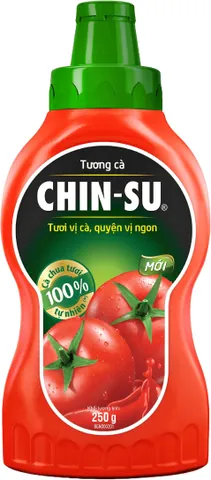 Tương cà Chin-Su (tomato ketchup)Chin-Su · sauces and dips
 Xúc xích tỏi GO! (garlic sausage)GO! · sausages and processed meat
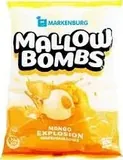 Kẹo marshmallow Markenburg Mallow Bombs nhân xoài (mango explosion)Markenburg · sweets and candy
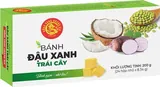 Bánh đậu xanh Rồng Vàng Hoàng Gia hương trái cây (fruit-flavoured mung bean cake)Rồng Vàng Hoàng Gia · cakes and biscuits
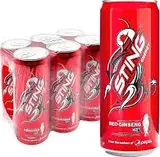 Nước tăng lực Sting hương dâu hồng sâm (strawberry red ginseng energy drink)Sting · soft drinks and flavoured drinks
Updated 21 October 2026
Photograph the label — Yenzo tells you right away and rates the product.
Thank you! We have received it and will reply by e-mail if needed.