 Yenzo
What is E340 (potassium phosphates)?
Appendix 1 of Circular 24/2019/TT-BYT lists the same functions for all three potassium phosphates: acidity regulator, emulsifier, emulsifying salt, humectant, stabilizer, sequestrant and thickener.
E340 covers the potassium phosphates, potassium salts of phosphoric acid: potassium dihydrogen phosphate (340(i)), dipotassium hydrogen phosphate (340(ii)) and tripotassium phosphate (340(iii)). In food they adjust acidity, hold moisture and help keep products stable.
EFSA (2019) found that intake in children can exceed the ADI. On the Yenzo Scale this finding does not raise the risk level by itself.
about 2.6 g a daythat is 2,600 mg
Wheat flour, vegetable oil, salt, sugar, acidity regulator (340), dried onion and garlic, pepper, natural colour (160a).
Sources: Codex CXG 36-1989, Class Names and the International Numbering System (INS)
Appendix 1 of Circular 24/2019/TT-BYT lists the same functions for all three potassium phosphates: acidity regulator, emulsifier, emulsifying salt, humectant, stabilizer, sequestrant and thickener.
In 2019 EFSA set a group ADI of 40 mg/kg body weight per day, expressed as phosphorus, for the phosphate additives (E338–E341, E343, E450–E452). EFSA noted that in one estimated scenario intake by infants, toddlers and other children exceeded this ADI.
Yes. Potassium dihydrogen phosphate (INS 340(i)), dipotassium hydrogen phosphate (INS 340(ii)) and tripotassium hydrogen phosphate (INS 340(iii)), as the circular names it, are listed in Appendix 1 of Circular 24/2019/TT-BYT, the list of additives permitted in food.
In the EU, additives may not be used in foods for infants and young children unless Annex II of Regulation (EC) No 1333/2008 provides for it. Annex II lists E340 in categories 13.1.1 (infant formulae), 13.1.2 (follow-on formulae), 13.1.3 (processed cereal-based foods and baby foods, only cereals) and 13.1.5.1 (dietary foods for infants for special medical purposes and special formulae for infants). The Regulation has no separate provision for pregnant women. If you have a particular health condition, ask a doctor.
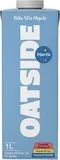 Sữa yến mạch Oatside đậm đà (rich oat milk)Oatside · plant-based milk
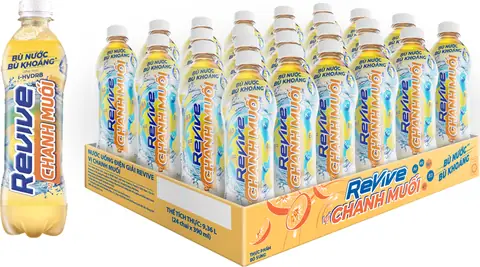 Nước uống Revive chanh muối (salted lemon)Revive · soft drinks and flavoured drinks
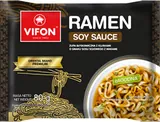 Mì ramen Vifon vị nước tương (soy sauce ramen)Vifon · instant noodles
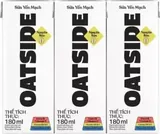 Sữa yến mạch Oatside vị nguyên bản (original oat milk)Oatside · plant-based milk
Updated 21 October 2026
Photograph the label — Yenzo tells you right away and rates the product.
Thank you! We have received it and will reply by e-mail if needed.